Agricultural waste usually includes straw, hukuli, ʻO nā moa lāʻau, branches and rice husks. And making charcoal briquettes from agricultural waste is an excellent way to recycle organic materials, reduce waste and create a sustainable source of energy. But how to make charcoal briquette from agricultural waste?
What machines can be used in making agricultural waste charcoal briquette?
Besides suitable material selection, it is also necessary to buy professional equipment for agricultural waste biochar briquette plant. Because it is the secret of finishing charcoal briquette from agricultural waste smoothly and quickly. But what machine is needed for agricultural waste charcoal briquette production? Laulaha, you need the following five charcoal briquette processing machines.
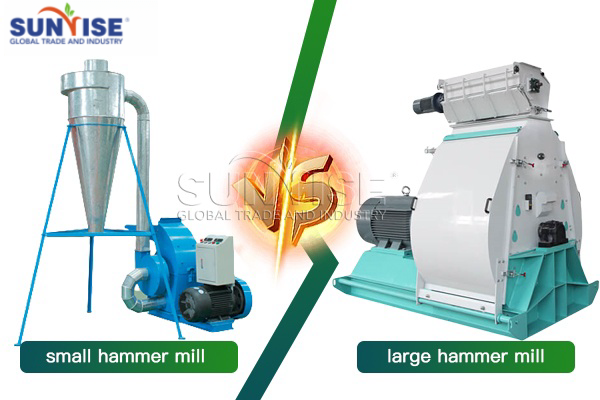
ʻO Hamiral
If you want to achieve the continuous production for agricultural waste biochar briquette, continuous carbonization machine is more suitable for you. But the feeding material of this machine is different according to agricultural waste. Such as wood chips and sawdust are usually ideal for particles smaller than 5 mm. Then straw & plant residues are usually no longer than 20-50 mm and no wider or thicker than 10 mm. Hope loa, branches and wood chips are usually no larger than 30-50 mm. No kēia, ʻO Hamiral pono ia.
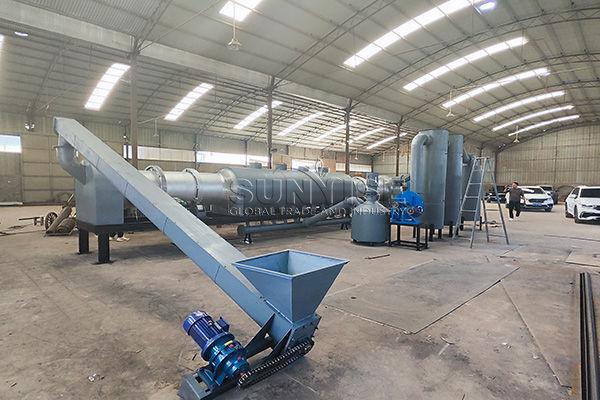
Ke hoʻomau neiʻo Firnage Carbon
According to the above mention, the rotary carbonization furnace is suitable for charring the agricultural waste which are in small pieces. Though the carbonization rotary kiln has the function of drying, ʻAʻole mākou e'ōlelo i ka carbonarigizing i nā meaʻona i pololei, E pili ana ia i ka hoʻohanaʻana i ka maikaʻi a me keʻano o ka maikaʻi. No lailaʻoi aku ka maikaʻi o ka hōʻoiaʻana i ka nui o nā mea waiwai 30%.
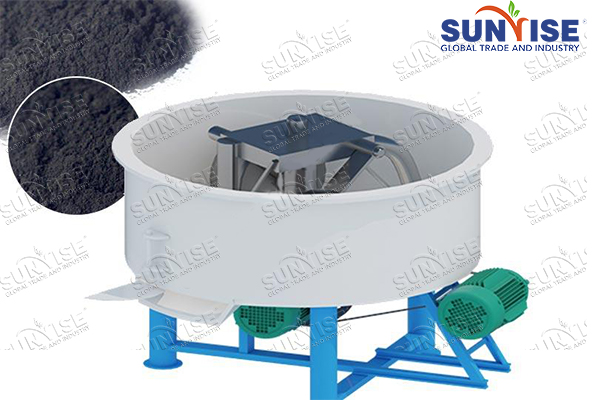
Crind spal crinder
Wheel grinding mixer consists of a pair of rollers and a pair of shoveling plates. Charcoal particles are grinding into powder by the roller. And it can blend the charcoal powder with water and a binder evenly. It is ideal equipment for producing biochar briquette.
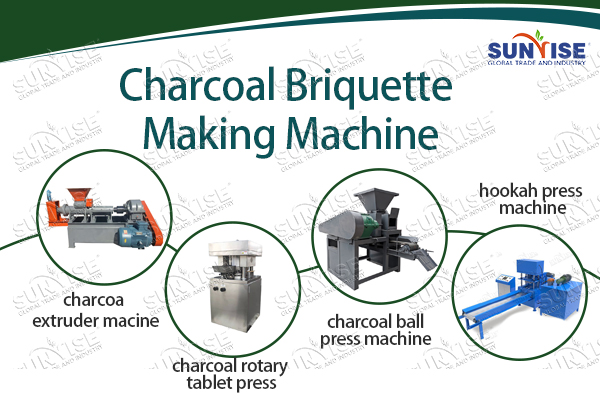
Biochar briquette machine
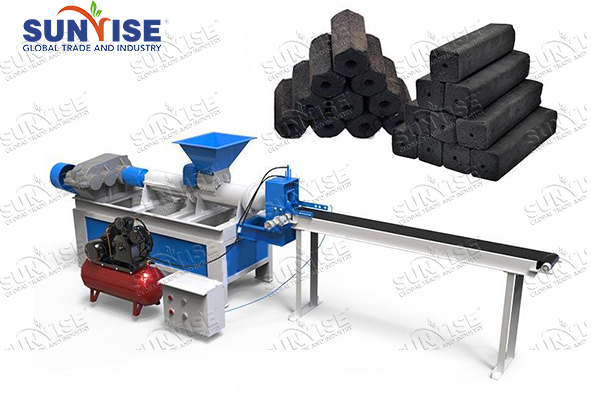
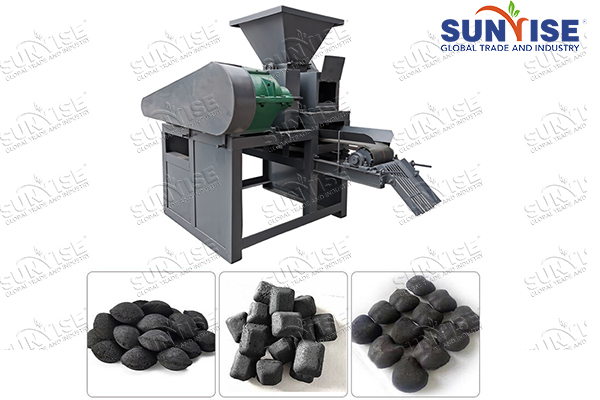
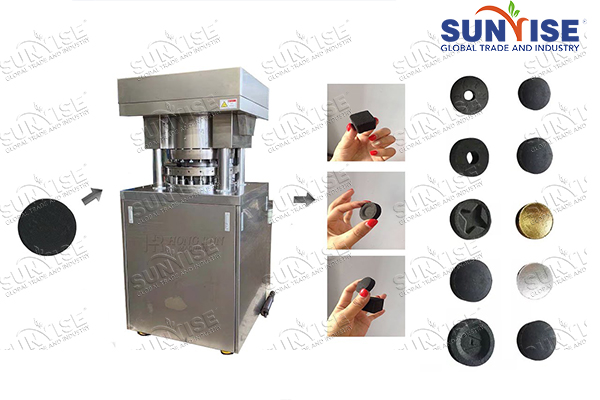
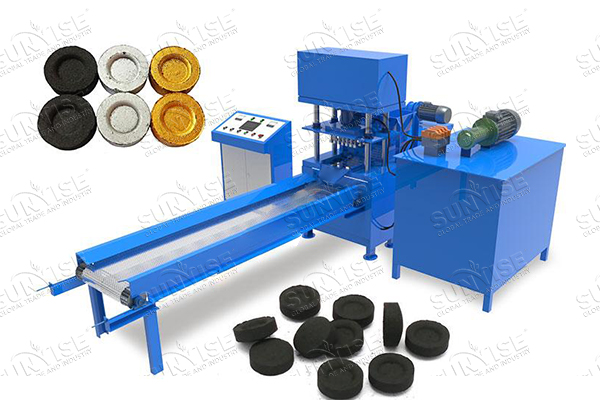
Aia four types of charcoal briquettes making machines No kāu koho. Including charcoal extruder machine, ʻO Biother Bila Ball Press, hookah press machine and E kaomi i ka papaʻainaʻo Rotary Charcoral. So you can choose a suitable one for agricultural waste charcoal briquette making.
What is the cost of agricultural waste charcoal briquette making line?
For a complete charcoal briquette production line for making agricultural waste into biochar briquette, the cost is closely related to the equipment design. There are some examples for your reference.