Rice husk is the protective coat around rice seeds. It is a waste material that is obtained in tons during the rice harvesting season. And the most abundant components present in rice husk are cellulose, lignin, and silica. Due to the high percentage of lignin (natural binding material) and low water content, rice husk is a valuable raw material to make charcoal briquettes for household or industrial uses. ສໍາລັບສິ່ງນີ້, on 15th June 2024, a customer from Japan wanted to purchase a set of rice husk charcoal briquette machine. ຕໍ່ໄປນີ້ແມ່ນລາຍລະອຽດສະເພາະຂອງການສື່ສານໃນກໍລະນີນີ້:
ທາງເທີງ 2 rice husk charcoal briquette making method
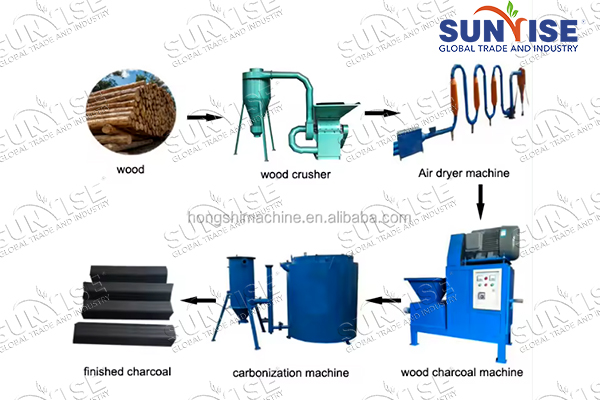
ລູກຄ້າຍີ່ປຸ່ນຄົນນີ້ຕ້ອງການຢາກຮູ້ວິທີການເຮັດໃຫ້ເຮັດໃຫ້ມີການເຮັດເຂົ້າຈີ່ cusk biochar briquette. ໂດຍທົ່ວໄປ, ມີ ສອງວິທີໃນການສ້າງຖ່ານ briquette ຈາກເຂົ້າເປືອກ. ຫນຶ່ງແມ່ນ carbonizing ເຂົ້າ cusk ເຂົ້າໄປໃນຖ່ານໂດຍຜ່ານການເຕົາເຜົາ carbonization, ແລະຫຼັງຈາກນັ້ນການບີບເຂົ້າຖ່ານເປືອກເປັນ briquettes. ອີກອັນຫນຶ່ງແມ່ນການເອົາເປືອກເຂົ້າເຂົ້າໄປໃນ briquettes ກ່ອນໂດຍເຄື່ອງປ້ອນເຂົ້າເປືອກເປືອກ, ຫຼັງຈາກນັ້ນ, carbonize ຂອງ briquetes ເຂົ້າໄດ້ເຂົ້າໄປໃນຖ່ານ.
Carbonization first & then forming
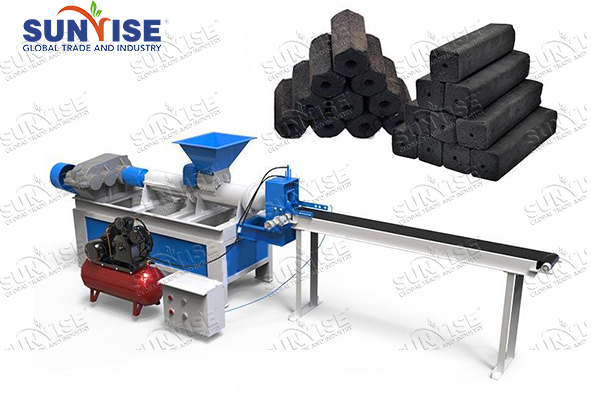
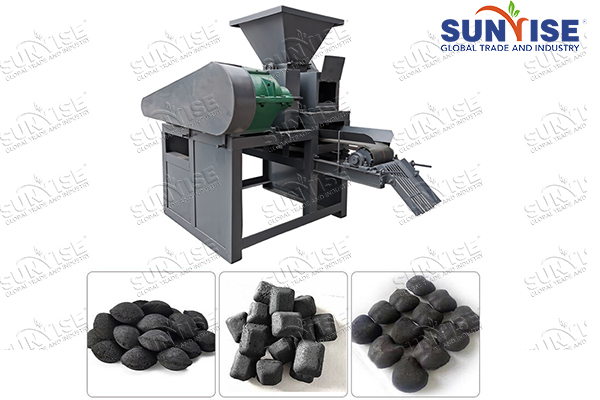
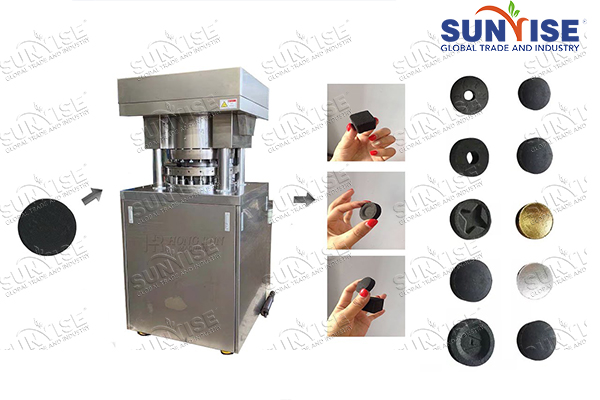
This method is suitable for customers with sufficient budget. Because rice husks are very small and the only carbonizer suitable for this feed size is a ເຕົາເຜົາກາກບອນຢ່າງຕໍ່ເນື່ອງ – 5-20 mm. ໂດຍປົກກະຕິ, rice husk as a fine particle material does not need to be further crushed, you can feed it directly. ຫຼັງຈາກນັ້ນ, you can use charcoal wheel grinder to make charcoal powder. ທີ່ສຸດ, there are four ເຄື່ອງຈັກເຮັດເຄື່ອງຈັກຜະລິດຖ່ານຫີນ for your choice to produce rice husk biochar briquettes.
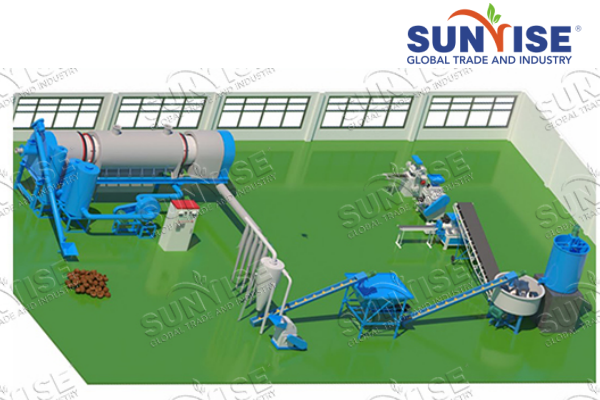
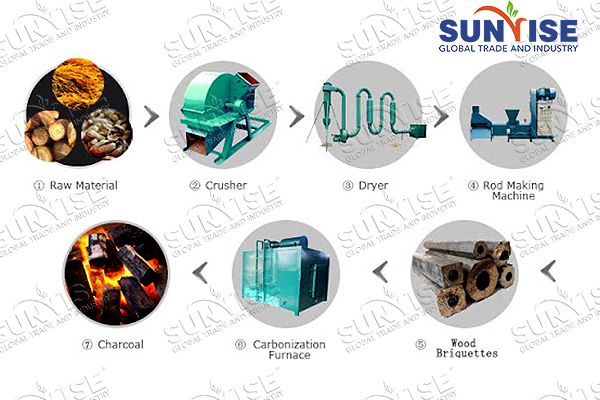
ປະກອບເປັນຄັ້ງທໍາອິດ & ຫຼັງຈາກນັ້ນກາກບອນ
ໄດ້ ເນື້ອໃນຄວາມຊຸ່ມ ໃນເປືອກເປືອກແມ່ນຂຶ້ນກັບ 15%. ເຖິງຢ່າງໃດກໍ່ຕາມ, ມັນໄດ້ຖືກແນະນໍາວ່າວັດຖຸດິບຄວນມີ 8% ເພື່ອ 10% ຄວາມຊຸ່ມໃນມັນ. ດັ່ງນັ້ນທ່ານຕ້ອງການເຄື່ອງເປົ່າເພື່ອຫຼຸດຜ່ອນເນື້ອຫາທີ່ຊຸ່ມ. ແລະເພື່ອຫຼຸດຜ່ອນຄ່າໃຊ້ຈ່າຍຂອງ briquetting ເຂົ້າ, ມັນຍັງສາມາດຖືກຈັດໃສ່ພາຍໃຕ້ແສງແດດເພື່ອຫຼຸດຜ່ອນເນື້ອຫາຄວາມຊຸ່ມໂດຍຜ່ານການລະເຫີຍ. ນັບຕັ້ງແຕ່ເປືອກເຂົ້າມີຂະຫນາດນ້ອຍ, ດັ່ງນັ້ນບໍ່ມີຄວາມຕ້ອງການສໍາລັບການຕີ. ຫຼັງຈາກເວລາແຫ້ງແລ້ງ, ທ່ານສາມາດລ້ຽງມັນໂດຍກົງເຂົ້າໄປໃນ ເຄື່ອງ Extruder. ທີ່ສຸດ, ໂດຍຜ່ານການນໍາໃຊ້ ເຄື່ອງຈັກກາກບອນ histing ຫຼືເຕົາປະເພດກາກບອນປະເພດກາກບອນ, ທ່ານສາມາດໄດ້ຮັບເຂົ້າເປືອກ biquar ar biochar.
What is the price of rice husk charcoal briquette plant?
Then the customer from Japan also wanted to know the price of rice husk biochar briquette plant. And the cost of rice husk charcoal briquette production usually varies according to capacity, equipment configuration and many other factors. Here we will show you the prices of 500-1000 kg/h small scale rice husk charcoal briquette production line, 1-10 t/h rice husk biochar briquette making line and 10-30 t/h large scale rice husk charcoal briquette manufacturing system for your reference.
500-1000 kg / h
- 600-1050㎡
- (Reference)
1-10 t / h
- 1250-3000㎡
- (Reference)
10-30 t / h
- 3000-4000㎡
- (Reference)
Is there a lower investment rice husk charcoal briquette making plan?
ແນ່ນອນ. The above is the price of the highest configuration business plan machines. ເພີ່ມເຕີມ, we can offer you two basic designs. ເປັນຕົວຢ່າງ, for one basic carbonization furnace + ເຄື່ອງບົດລໍ້ຫມູນຖ່ານ + charcoal briquette maker, you only need to prepare $5,000-$23,000 (carbonization first & then forming method). As for another design, with charcoal extruder + hoisting or ເຕົາປະເພດກາກບອນປະເພດກາກບອນ (forming first & then carbonization method). ກ່ຽວກັບ $ 8,000-$23,000.
What is the use of rice husk charcoal briquette from Sunrise machine produced?
ທີ່ສຸດ, Japanese client prepare to get more profits from these rice husk biochar briquettes. So he asked us the use of rice husk charcoal briquette. In addition to being used as fuel, rice husk charcoal briquette is also widely used in industry and agriculture.
Rice husk charcoal briquette production line is an ideal choice for beginners production. But if you want to produce small scale rice husk biochar briquette, you can choose our small scale rice husk charcoal briquette production plan.